“DeFi” is one of the most talked-about terms in crypto, but for newcomers it can feel like a confusing mix of jargon — liquidity pools, yield farming, smart contracts. This guide breaks down what DeFi actually is, how it works, and what to know before using it.
What Is DeFi?
DeFi, short for decentralized finance, refers to financial services — lending, borrowing, trading, earning interest — built on blockchain networks instead of traditional banks or brokerages.
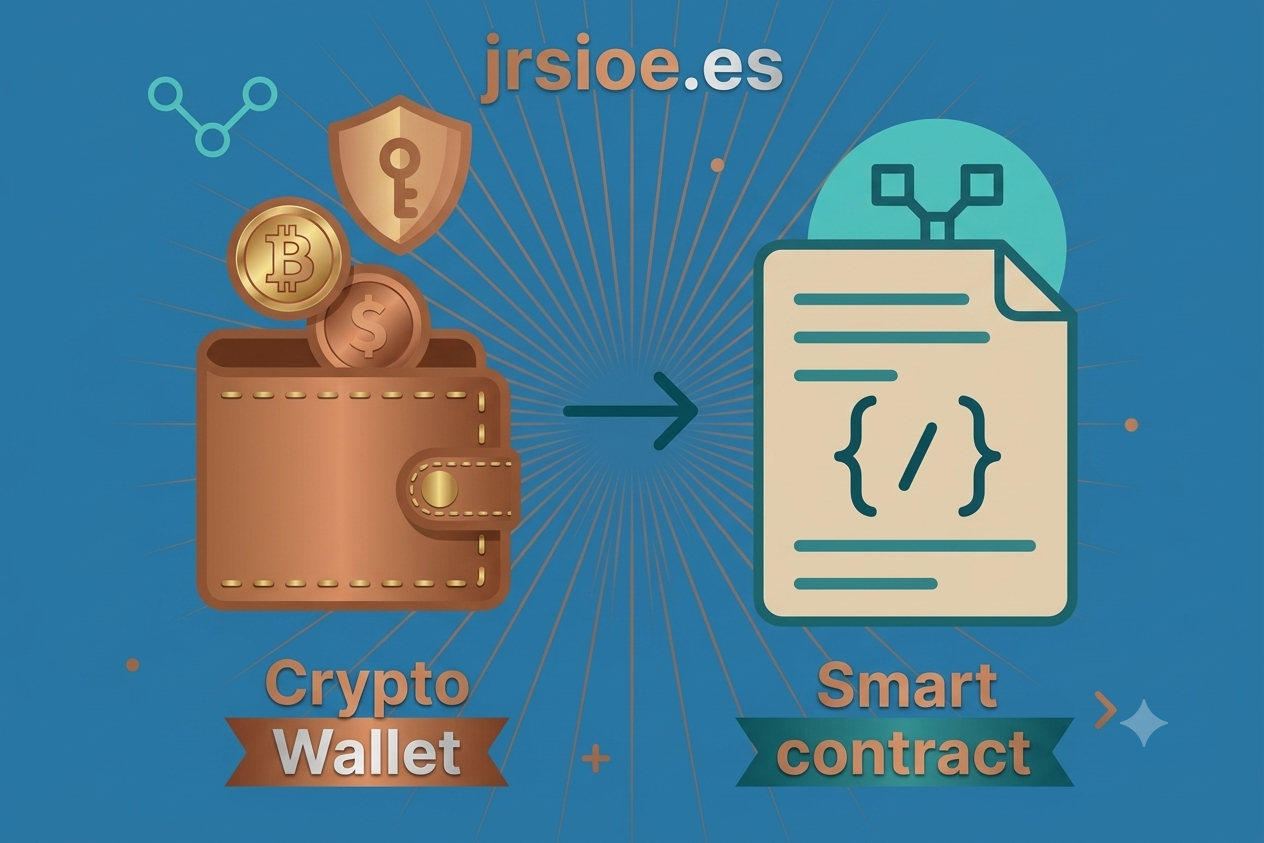
Instead of a bank approving a loan or a brokerage executing a trade, DeFi platforms use smart contracts: self-executing code that automatically carries out transactions when certain conditions are met. No central company controls the funds; the rules are written into the code itself.
Why Does DeFi Exist?
Traditional finance relies on intermediaries — banks, clearinghouses, brokers — to facilitate transactions and enforce trust. DeFi aims to replace that trust-through-intermediary model with trust-through-code and blockchain transparency, allowing anyone with an internet connection to access financial services without needing approval from a central institution.
Core Building Blocks of DeFi
Decentralized Exchanges (DEXs)
Platforms like Uniswap or PancakeSwap let users trade crypto directly with each other, without a centralized exchange holding their funds. Instead of an order book matching buyers and sellers, most DEXs use liquidity pools — pools of funds provided by users that trades are executed against.
Lending and Borrowing Protocols
Platforms like Aave or Compound let users lend out their crypto to earn interest, or borrow crypto by putting up collateral. Interest rates are typically set algorithmically based on supply and demand within the protocol.
Liquidity Pools and Yield Farming
Users can deposit pairs of tokens into a liquidity pool to help facilitate trading on a DEX, earning a share of trading fees in return. “Yield farming” refers to strategically moving funds between different pools or protocols to maximize returns.
Stablecoins
Cryptocurrencies designed to hold a stable value, usually pegged to a currency like the US dollar (e.g., USDC, USDT, DAI). Stablecoins are widely used within DeFi as a less volatile medium for lending, trading, and holding value.
The Risks of DeFi
DeFi’s openness is also what makes it riskier than traditional finance in several ways:
- Smart contract bugs — Code vulnerabilities have led to major hacks and exploits, sometimes draining entire protocols.
- No customer support or reversals — If you send funds to the wrong address or fall victim to an exploit, there’s typically no way to recover them.
- Impermanent loss — Providing liquidity to a pool can result in a lower value than simply holding the tokens, depending on price movements between the paired assets.
- Rug pulls and scam projects — Because anyone can launch a DeFi protocol, some are built specifically to defraud users.
- Regulatory uncertainty — DeFi operates in a legal gray area in many jurisdictions, and rules are still evolving.
- Complexity — Mistakes like using the wrong network, misconfiguring a transaction, or approving unlimited token spending can lead to irreversible losses.
How to Get Started Safely
- Start with well-established, audited protocols rather than obscure or brand-new platforms.
- Understand exactly what you’re doing before depositing funds — read the protocol’s documentation, not just social media hype.
- Use a non-custodial wallet you control, and double-check contract addresses before interacting with them.
- Start small. Test any new protocol with a small amount before committing significant funds.
- Revoke unnecessary token approvals periodically using tools designed for that purpose, since old approvals can be exploited if a protocol is later compromised.
- Be skeptical of extremely high advertised yields — they often reflect high risk, unsustainable tokenomics, or outright scams.
Is DeFi Right for You?
DeFi can offer more control, transparency, and access than traditional finance — but it shifts a lot of responsibility onto the user. There’s no customer service line to call if something goes wrong, and mistakes can be costly. It tends to suit users who are comfortable doing their own research and managing their own security, rather than those looking for a passive, hands-off experience.
Final Thoughts
DeFi represents one of the more ambitious applications of blockchain technology, rebuilding familiar financial services in an open, permissionless way. But that openness comes with real risks that don’t exist in traditional finance. Understanding the mechanics — and starting cautiously — is essential before putting meaningful funds into any DeFi protocol.
This article is for educational purposes only and isn’t financial advice.