One of the most common ways people lose money in crypto isn’t a market crash — it’s a compromised wallet. Choosing the right wallet, and using it correctly, is one of the most important decisions any crypto holder makes. This guide walks through the main wallet types, how to evaluate them, and the habits that actually keep your funds safe.
What Is a Crypto Wallet, Really?
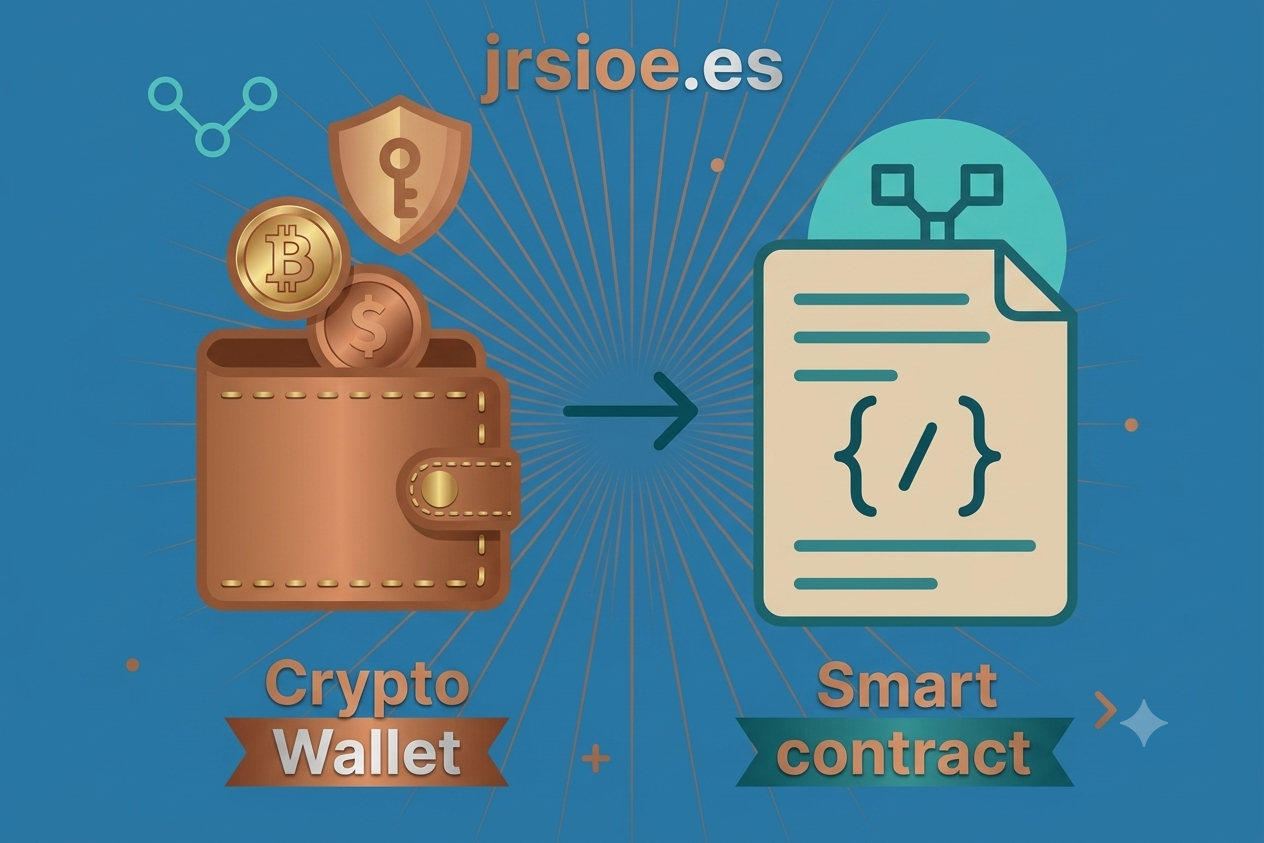
A crypto wallet doesn’t “store” coins the way a physical wallet stores cash. Instead, it stores the private keys that prove ownership of your coins on the blockchain and let you authorize transactions. Whoever controls the private keys controls the funds — which is the source of the popular phrase: “not your keys, not your coins.”
The Two Main Categories
Hot Wallets
Hot wallets are connected to the internet. Examples include mobile apps, browser extensions, and exchange accounts.
Pros:
- Convenient for everyday use and quick transactions
- Usually free and easy to set up
- Good for smaller amounts you actively trade or spend
Cons:
- More exposed to hacking, phishing, and malware
- Exchange-hosted wallets mean a third party holds your keys
Cold Wallets
Cold wallets keep private keys offline, typically on a dedicated hardware device or even a piece of paper.
Pros:
- Far more resistant to remote hacking attempts
- Ideal for long-term holding of larger amounts
Cons:
- Less convenient for frequent transactions
- If you lose the device and your backup phrase, funds can be unrecoverable
- Usually involves an upfront cost for hardware
Custodial vs. Non-Custodial Wallets
This distinction matters as much as hot vs. cold:
- Custodial wallets (most exchange accounts) mean a company holds your private keys on your behalf. It’s convenient, but you’re trusting that company’s security and solvency.
- Non-custodial wallets put you in full control of your private keys. This means more responsibility, but no third party can freeze or lose your funds on your behalf.
What to Look for in a Wallet
When evaluating any wallet, consider:
- Reputation and track record — Has it been independently audited? How long has it been operating without major security incidents?
- Open-source code — Wallets with publicly reviewable code tend to get more scrutiny from the security community.
- Backup and recovery options — Does it use a standard recovery phrase (seed phrase) that you can restore from if the device is lost?
- Multi-factor authentication — For hot wallets and exchange accounts, this adds a critical extra layer of protection.
- Supported coins and chains — Make sure it actually supports the assets you plan to hold.
Core Safety Habits
Regardless of which wallet you choose, these habits matter more than the wallet itself:
- Never share your seed phrase or private keys with anyone. No legitimate support team will ever ask for it.
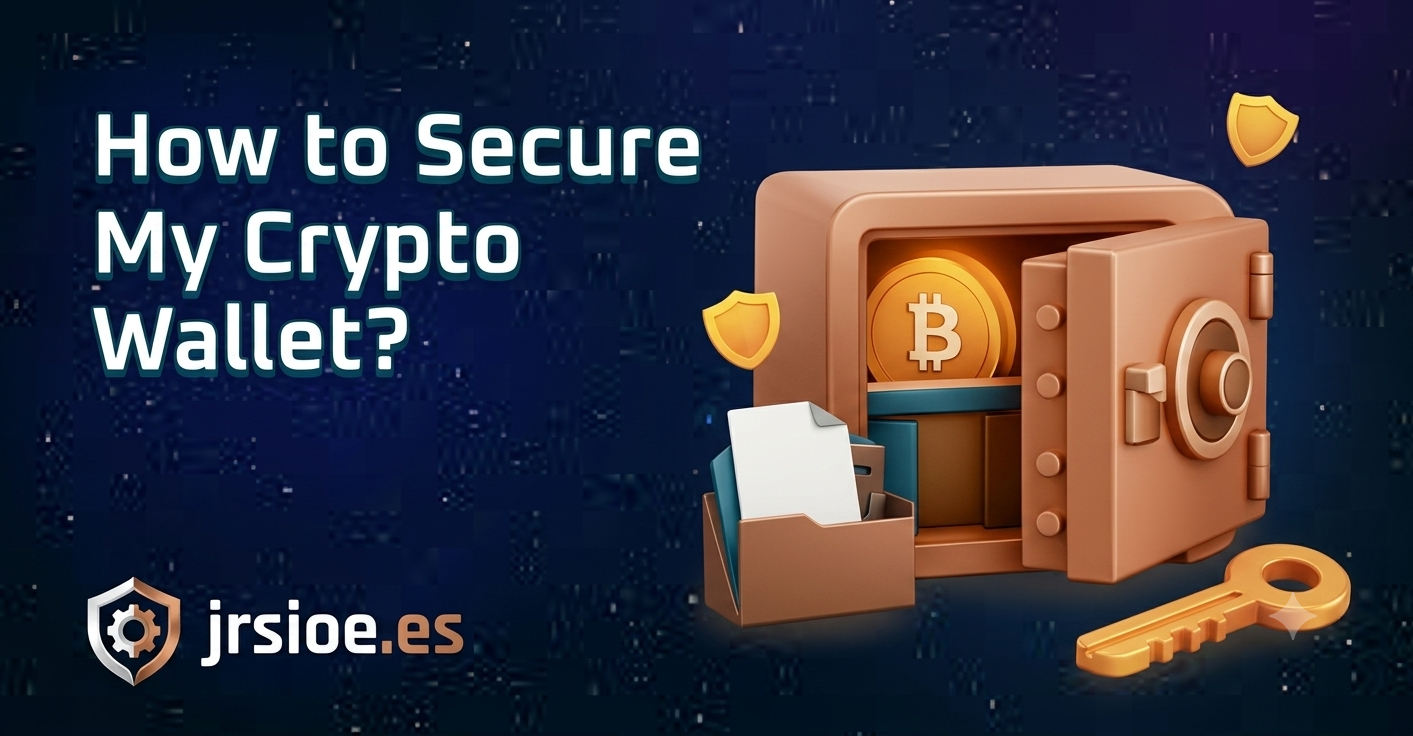
- Write your seed phrase down offline — not in a screenshot, email, or cloud note. Store it somewhere secure and consider a fireproof/waterproof backup for larger holdings.
- Double-check URLs and app sources. Phishing sites that mimic real wallet interfaces are one of the most common attack methods.
- Use hardware wallets for significant amounts. Keep only what you need for active use in hot wallets.
- Enable all available security features — PINs, biometrics, and two-factor authentication.
- Be skeptical of unsolicited messages offering help, giveaways, or “wallet verification” — these are almost always scams.
A Simple Framework
- Small, active trading amounts → Reputable hot wallet or exchange, with 2FA enabled
- Long-term holdings → Hardware (cold) wallet with an offline, secure seed phrase backup
- Funds you can’t afford to lose → Consider splitting across multiple wallets or using a multi-signature setup for added protection
Final Thoughts
There’s no single “best” wallet for everyone — the right choice depends on how much you’re holding, how often you transact, and your comfort level with managing your own security. What matters most is understanding the trade-offs and building safe habits from day one, since in crypto, mistakes with wallet security are often irreversible.
This article is for educational purposes only and isn’t financial advice.